
Advancing Africa’s Capital Markets: From Fragmentation to Scale
Lagos to Cambridge and Cape Town
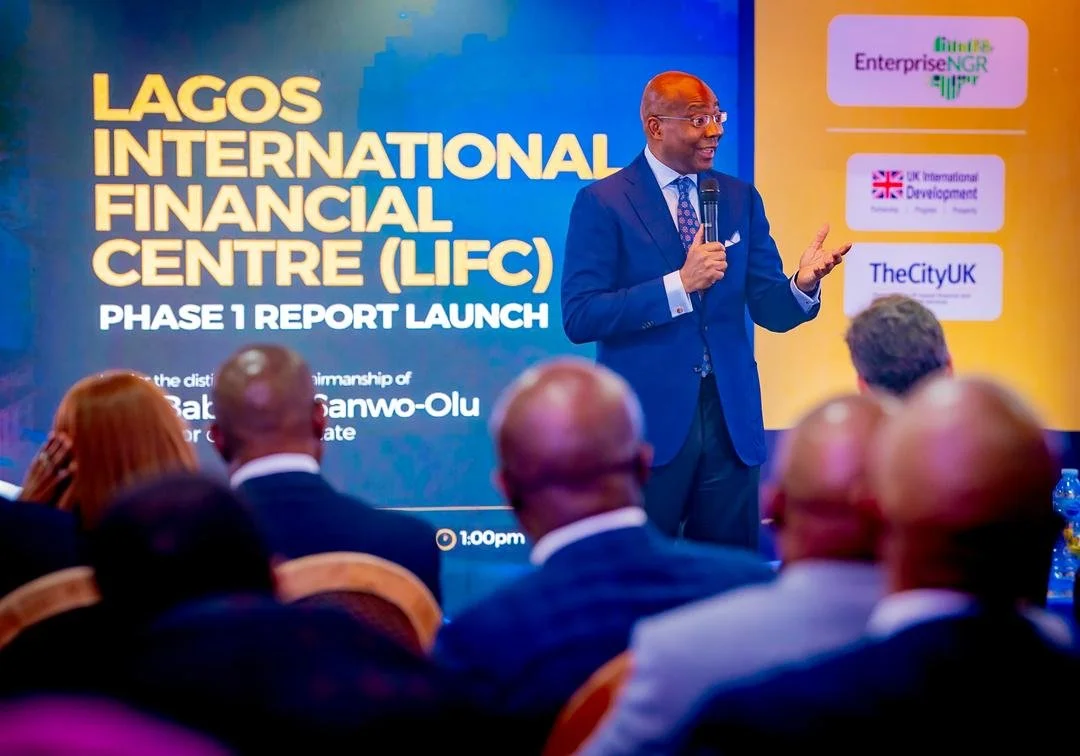
In the modern global economy, access to capital is not defined by availability alone, but by systems, coordination and trust. Across three high-profile engagements in February 2026, Aigboje Aig-Imoukhuede, CFR, Chairman of EnterpriseNGR, the Aig-Imoukhuede Foundation, Access Holdings and Coronation Group, engaged policymakers, investors, and institutional leaders in Lagos, Nigeria, Cambridge, UK, and Cape Town, South Africa, reflecting the advancement of a broader strategy for Africa’s financial future.
The conversations formed part of a continuum aimed at repositioning African capital markets from fragmented systems into coordinated engines of economic growth and prosperity.
A structural challenge, not a capital shortage
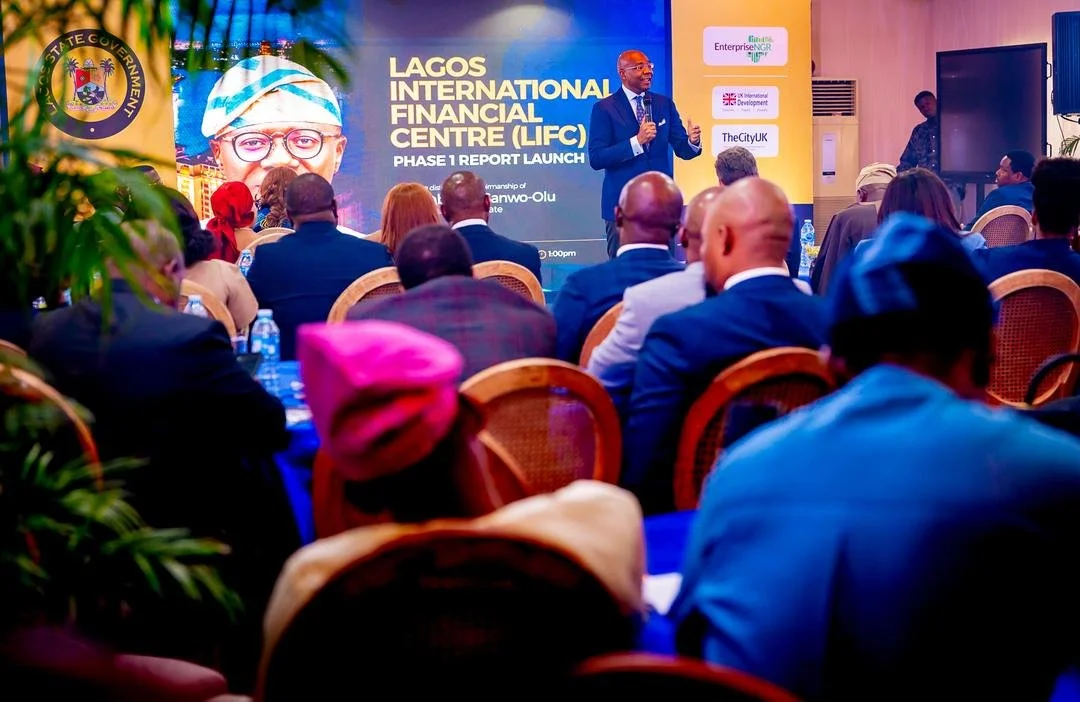
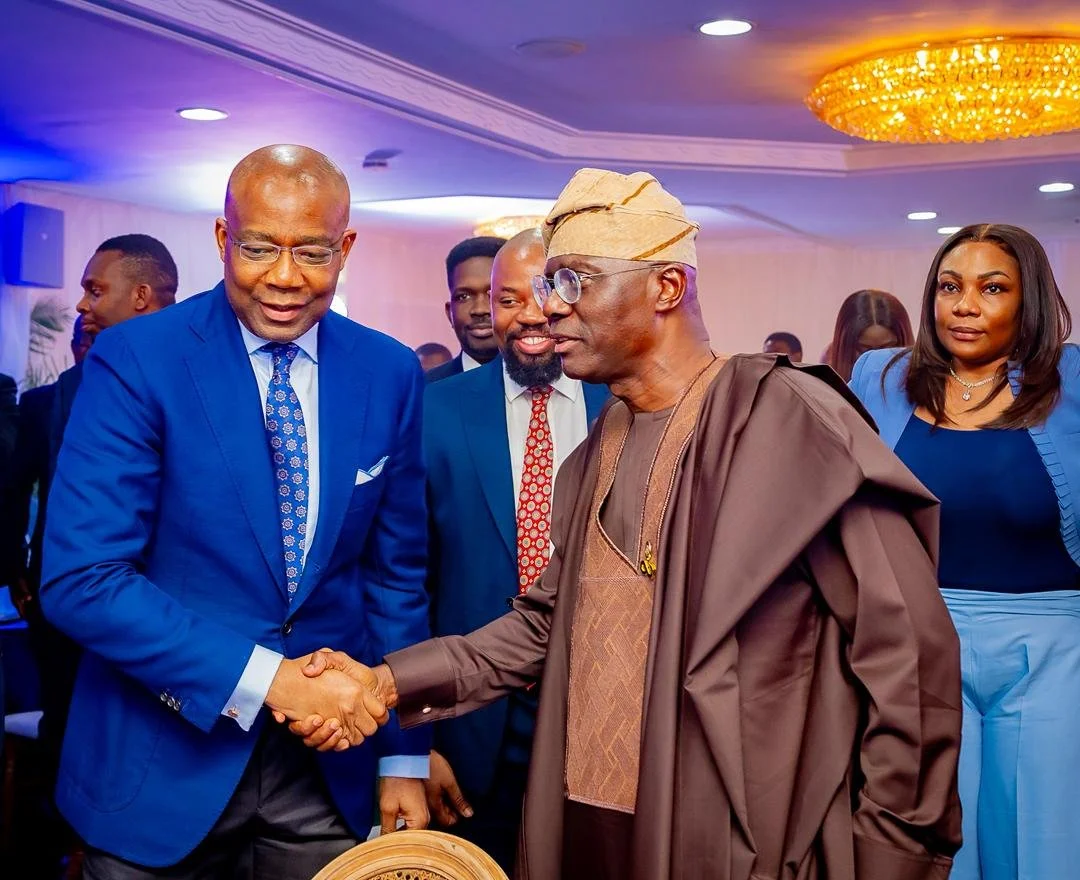
The starting point for this strategy is a reframing of a long-standing assumption. Africa is often described as capital-scarce. However, this is not accurate. Across the continent, pools of domestic capital exist within pension funds, insurance markets and sovereign balance sheets. The system through which the capital flows are not optimised or integrated, undermining the scalability of capital markets and economic development.
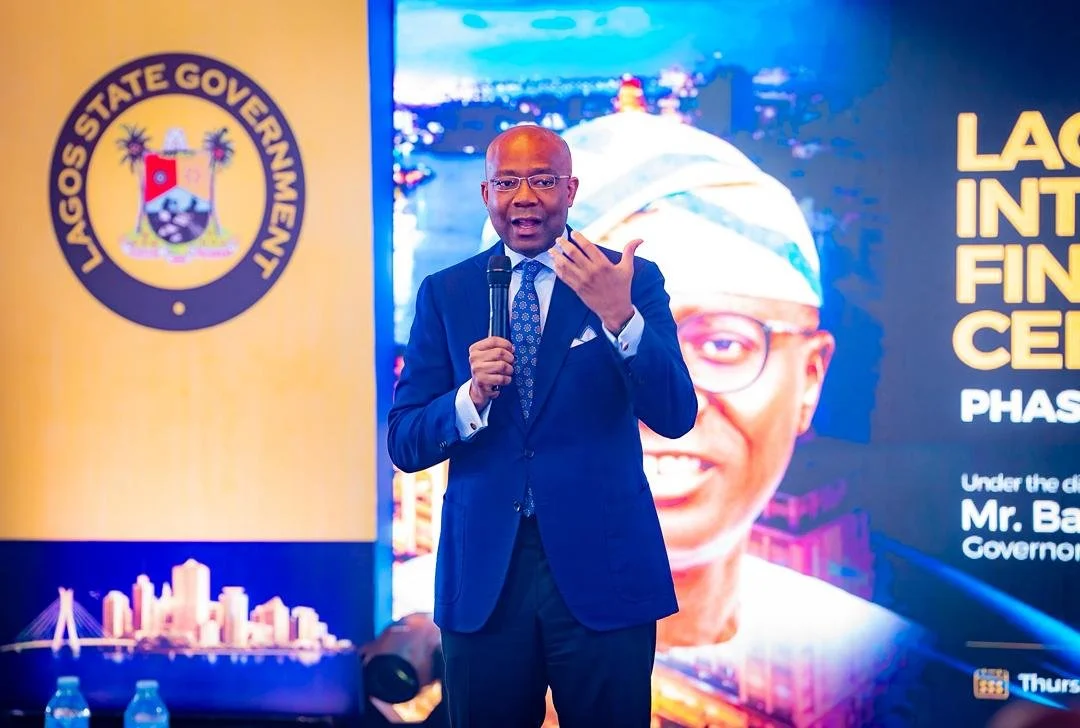
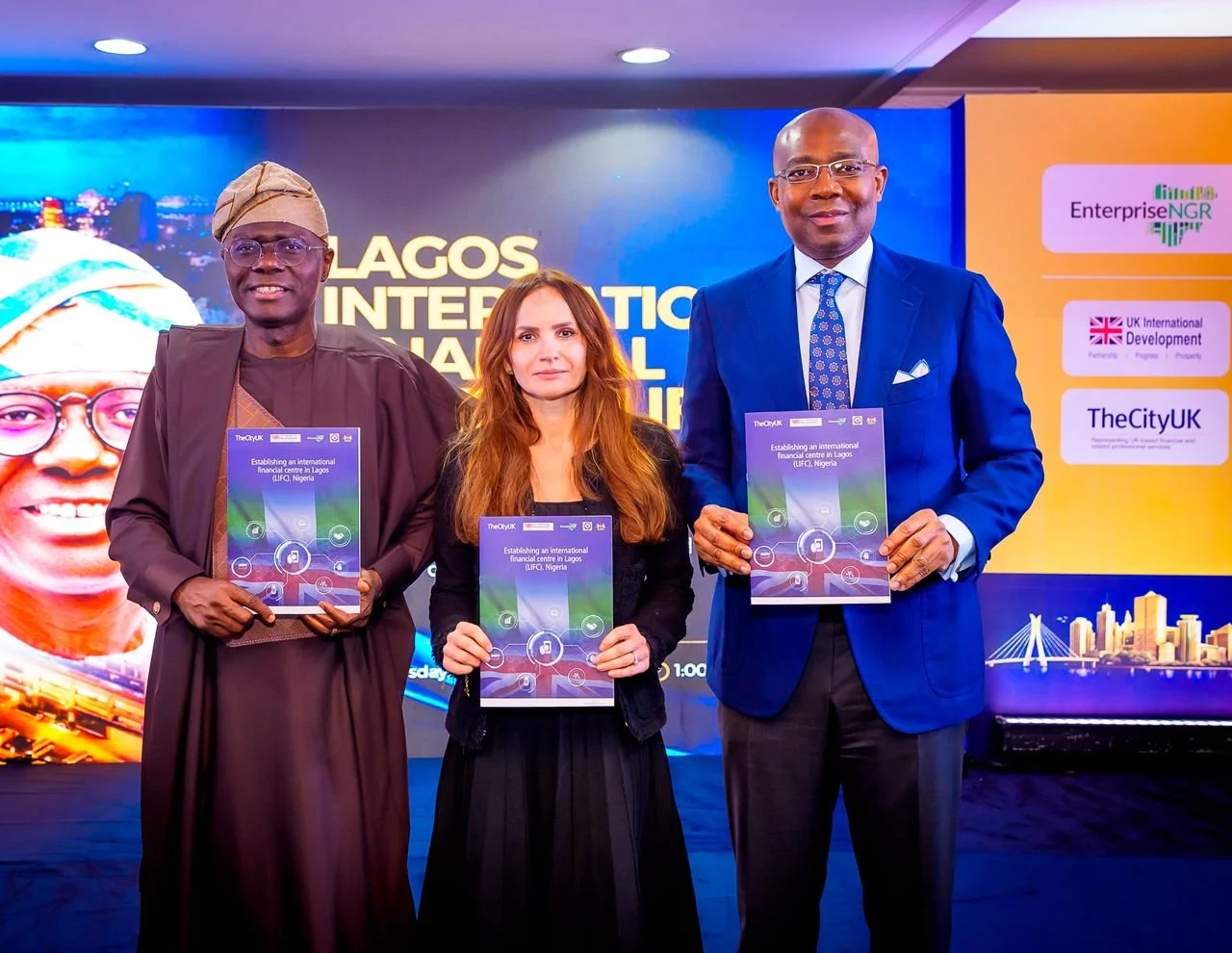
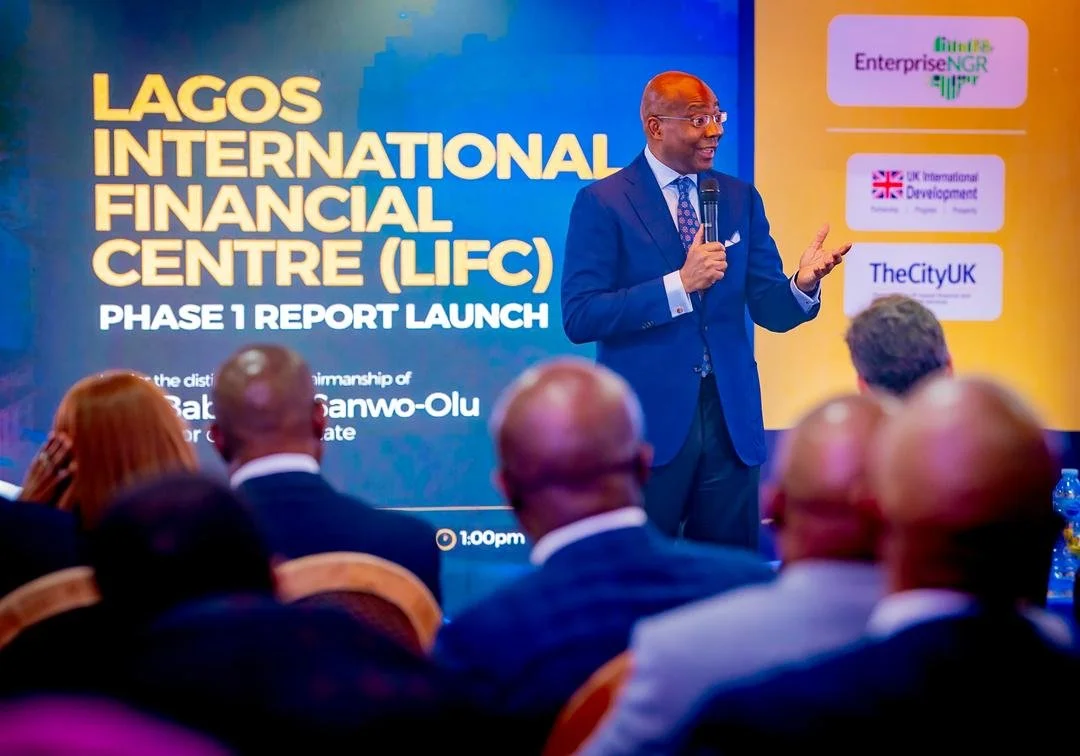
On 5 February 2026, the Lagos International Financial Centre (LIFC) Phase 1 Report was formally launched by Governor Babajide Sanwo-Olu alongside members of the LIFC Council. The report titled Establishing an International Financial Centre in Lagos marked a substantive step towards addressing this structural gap. Developed through a collaboration between EnterpriseNGR, the Lagos State Government and TheCityUK, and supported by the UK Government, it draws on global best practice and bilateral financial cooperation to define a pathway for establishing Lagos as a globally competitive international financial centre.
The report goes beyond stating an ambition for economic development and provides a practical blueprint. It assesses viable international financial centre models, identifies Lagos’ comparative advantages, and outlines the institutional, legal and regulatory architecture required to attract international capital while strengthening domestic market depth. Central to this is the creation of a high-quality governance and regulatory environment aligned to global standards, supported by coordinated action between federal and state authorities, regulators, and the private sector.
Importantly, the LIFC is conceived not as a standalone financial zone, but as an ecosystem designed to bridge global capital and domestic opportunity, improve liquidity in local markets, expand financial instruments available to businesses, and support priority sectors such as infrastructure, energy and climate-resilient development.
It also identifies clear areas of strategic focus that position Lagos competitively within the global financial landscape, including financial technology and innovation, commodities and capital markets, and green and sustainable finance, each aligned to both Nigeria’s economic priorities and broader global capital flows.
“Singapore did not become Singapore by hoping. Neither did Dubai. Lagos, as Africa's fifth-largest city economy and Nigeria's undisputed commercial engine, has every ingredient to join that league, if the institutional architecture is built with the same deliberateness,” said Aig-Imoukhuede.
With Phase I approved and Phase II now focused on implementation, including regulatory reform, capacity building and institutional alignment, the emphasis has shifted decisively from design to delivery, with a targeted soft launch anticipated in 2026.
This emphasis on coordination across regulators, market participants, and policy frameworks anchors the LIFC as more than a financial centre initiative. Its bold ambition is to serve as a mechanism for systemic reform, redefining capital markets in Nigeria and Africa.
From design to execution
If Lagos represented the articulation of a blueprint, Aig-Imoukhuede’s subsequent engagement in Cambridge marked the beginning of institutional alignment required to deliver it.
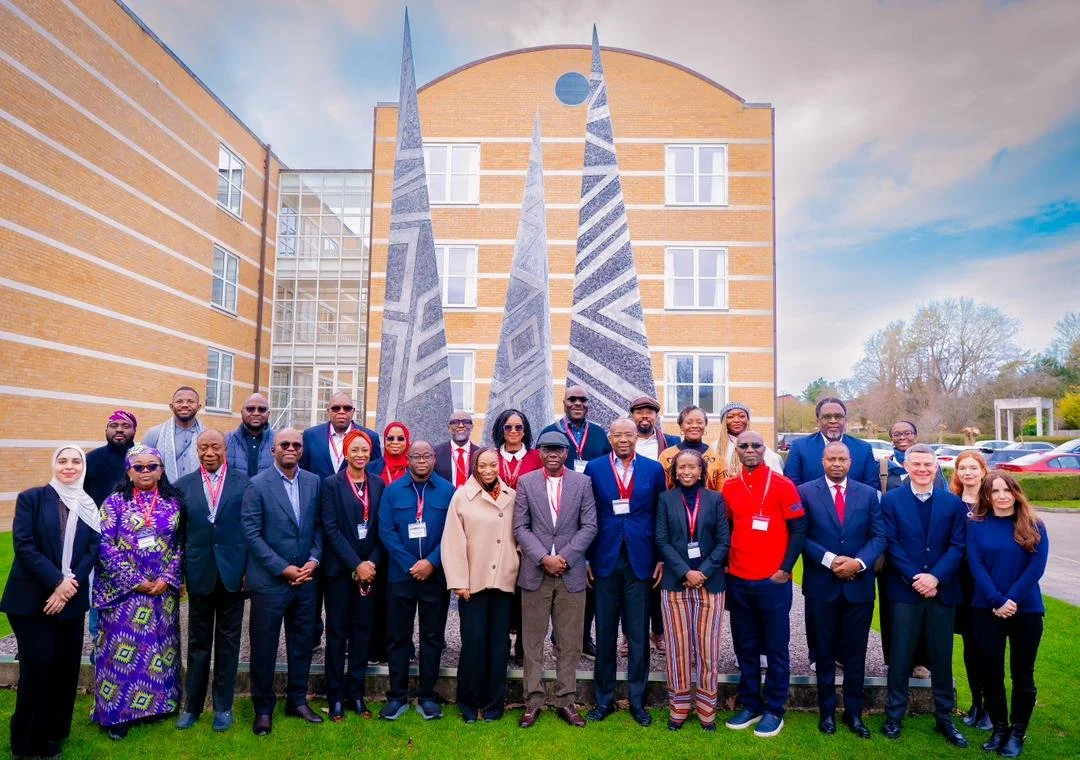
Delegates at the LIFC Executive Programme at the Møller Institute at Cambridge University included Lagos State Governor, Babajide Sanwo-Olu; Chairman, EnterpriseNGR, Aigboje Aig-Imoukhuede, CFR; Senators Adetokunbo Abiru, Adamu Aliero, and Umar Sadiq Suleiman of the Senate Committee on Banking, Insurance and Other Financial Institutions; Minister of Industry, Trade and Investment, Dr. Jumoke Oduwole; Director-General, Securities and Exchange Commission (SEC), Dr. Emomotimi Agama; and Special Adviser to the President on Finance, Sanyade Okoli, with executives of EnterpriseNGR, representatives of the Federal Ministry of Finance, Central Bank of Nigeria (CBN), Nigeria Revenue Service (NRS), Nigerian Investment Promotion Commission (NIPC) and members of the Lagos International Financial Centre (LIFC) Council, alongside facilitators from the Møller Institute, TheCityUK, and the FDI Center.
At the University of Cambridge, LIFC's Phase 2 national alignment and capacity-building programme convened one of the most consequential gatherings of Nigerian public and private sector leadership. Led by Governor Sanwo-Olu, a select delegation of senior Nigerian policymakers, regulators, legislators and private sector leaders convened for a high-level Executive Leadership Programme at the Møller Institute. The programme formed part of Phase II of the LIFC development, shifting the initiative from conceptual design to coordinated implementation readiness.
The executive programme was designed as a working session and focused on bringing together the full architecture required to establish Lagos as an international financial centre and foreign direct investment destination on the continent. It addressed policy formulation, legislative approval, regulatory oversight, governance and market execution, aligned around a shared national objective.
The sessions focused on several critical dimensions of delivery:
Co-creating a shared national vision for the LIFC, ensuring alignment across federal, state and private sector stakeholders
Deepening understanding of international financial centre models, drawing on case studies from established centres such as Dubai, Abu Dhabi and Astana
Strengthening regulatory, legal and institutional frameworks, including readiness for the proposed LIFC Establishment Bill
Enhancing coordination across institutions, particularly between fiscal authorities, regulators and market participants
Preparing for phased implementation and soft launch, with a focus on execution sequencing and institutional capacity
The composition of the delegation reinforced this intent. It included leadership from the Lagos State Government, the National Assembly, the Securities and Exchange Commission, the Central Bank of Nigeria, and key economic ministries, alongside EnterpriseNGR and members of the LIFC Council.
That kind of alignment is rare in any country. In Nigeria, at this scale, it is historic. It reflects a belief that Aig-Imoukhuede has long been a proponent of: that credibility in capital markets is built through institutions that earn the trust of global investors over time.
Governor Sanwo-Olu commended the commitment of major stakeholders in the LIFC project, including the Federal Government and Lagos State Government, members of the National Assembly regulatory agencies and EnterpriseNGR in an official media advisory.
“It is not about any particular person or region; it is about the country and the conversation on how big the country is that will need to use that platform to position the country in that global space where people can truly know that we are serious,” said Governor Sanwo-Olu.
As Chairman of EnterpriseNGR and Co-Chair of the LIFC Council, Aig-Imoukhuede played a central convening role, bridging public and private sector perspectives and reinforcing the importance of coordinated execution. “This programme helped us to see beyond what we are accepting to see and to think really big. It is very motivating for all of us in the private sector,” he said.
“The transition from vision to implementation is where many markets stall. Alignment and action turn strategy into reality,” he observed.
By the conclusion of the programme, the emphasis had shifted from understanding what needs to be built to aligning the institutions responsible for building it. This set the stage for Aig-Imoukhuede’s next engagement with global capital markets leaders responsible for designing and managing the currency flow systems, and ultimately influencing who benefits from them.
From national markets to continental scale
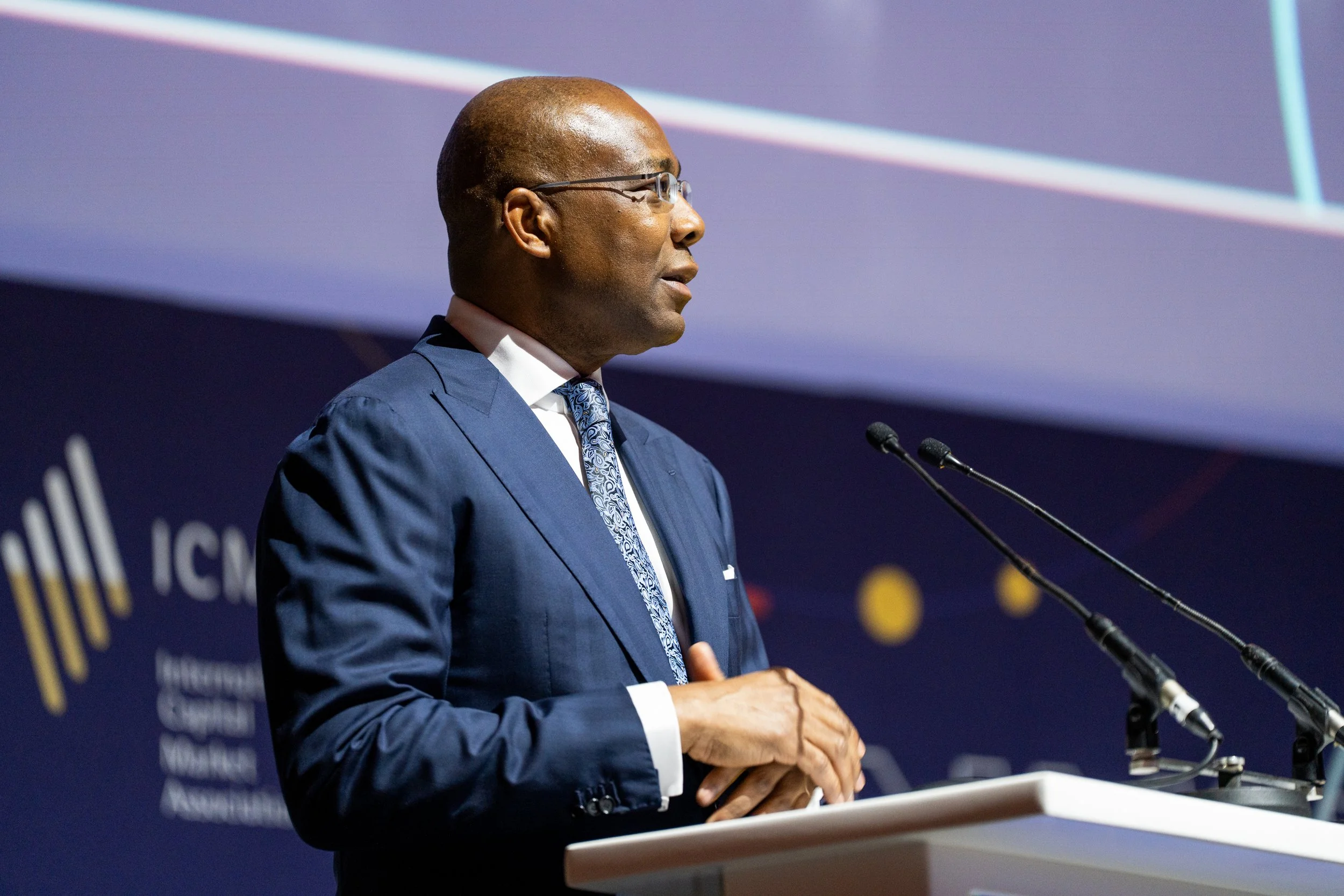
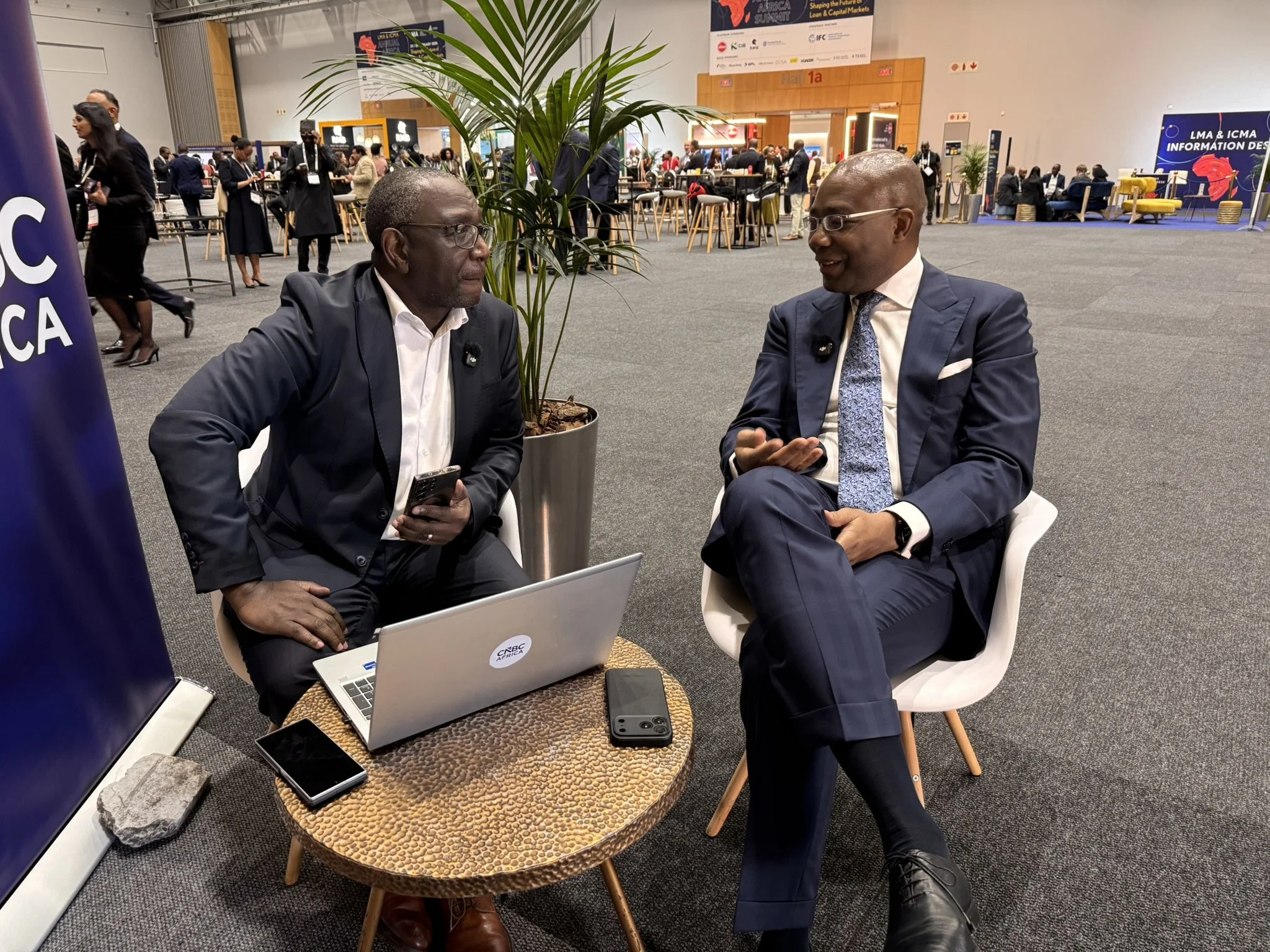
In Cape Town, Aig-Imoukhuede addressed leaders at the Loan Market Association and International Capital Markets Association inaugural Africa Summit 2026, shifting the emphasis to scaling capital markets.
“Now the role of cross-border collaboration becomes more pronounced. Africa’s markets cannot scale in isolation. They require shared standards, coordinated policy direction, and a willingness to align national priorities with broader continental objectives,” said Aig-Imoukhuede.
In his keynote address at the summit, titled From Fragmented Markets to a Continental Balance Sheet, he said the answer was not only about fixing the plumbing but also about having plumbers work together to connect fragmented capital markets. Africa’s growth, he said, is not constrained by a lack of capital, but by how that capital is structured, mobilised and deployed.
Across Africa, capital markets operate as a series of national systems with limited interoperability. This fragmentation constrains liquidity, increases the cost of capital, and limits access for businesses seeking to grow.
“As a continent, we are operating 54 fragmented balance sheets,” he said. “We need to challenge how we think in terms of a continental balance sheet. We are operating as domestic capital pools rather than a coordinated financial system.”
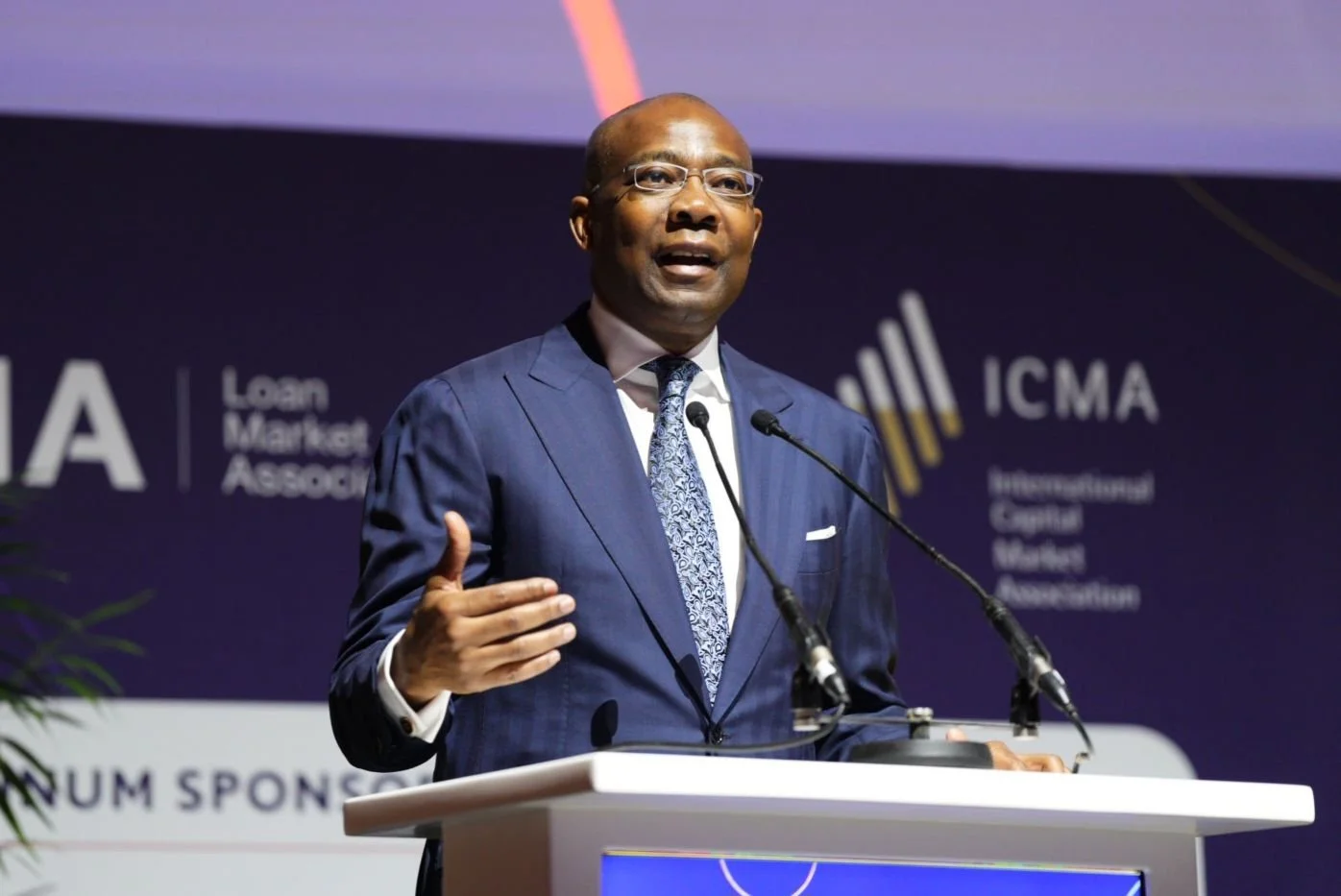
His keynote address set out a framework for capital markets reform, and highlighted five shifts required to move from fragmentation to scale:
Anchoring growth in domestic capital, recognising that sustainable market depth begins with pension, insurance and institutional participation
Deepening local currency markets, reducing exposure to external volatility and enabling longer-term financing
Positioning sustainable finance as a core funding strategy, particularly in the context of climate transition and infrastructure investment
Leveraging technology as market infrastructure, improving efficiency, transparency and access across issuance, trading and settlement
Advancing regulatory harmonisation and trust, enabling cross-border capital flows through aligned standards and predictable frameworks
A call for collective leadership
The time is now, he said, to not only strengthen individual markets, but also to link them in ways that allow capital to move more efficiently across borders at scale.
He emphasised that the issue is not technical complexity alone, but coordination and leadership. “No single institution can do this alone. The work is in building systems that outlast individuals,” he said.
“Africa’s next chapter will not be written by aid flows, but by capital flows,” he said. “These decisions are squarely in the control of the plumbers.”
From Lagos, Cambridge and Cape Town, these conversations reframe Africa as an active architect of its own financial future. Together, they lay the foundation for a more connected, attractive and globally competitive African financial system.