
When Change Begins With One Idea: The Power of Capstone Projects in Public-Service Reform
Author:
Goodluck Emmanuel, Abuja
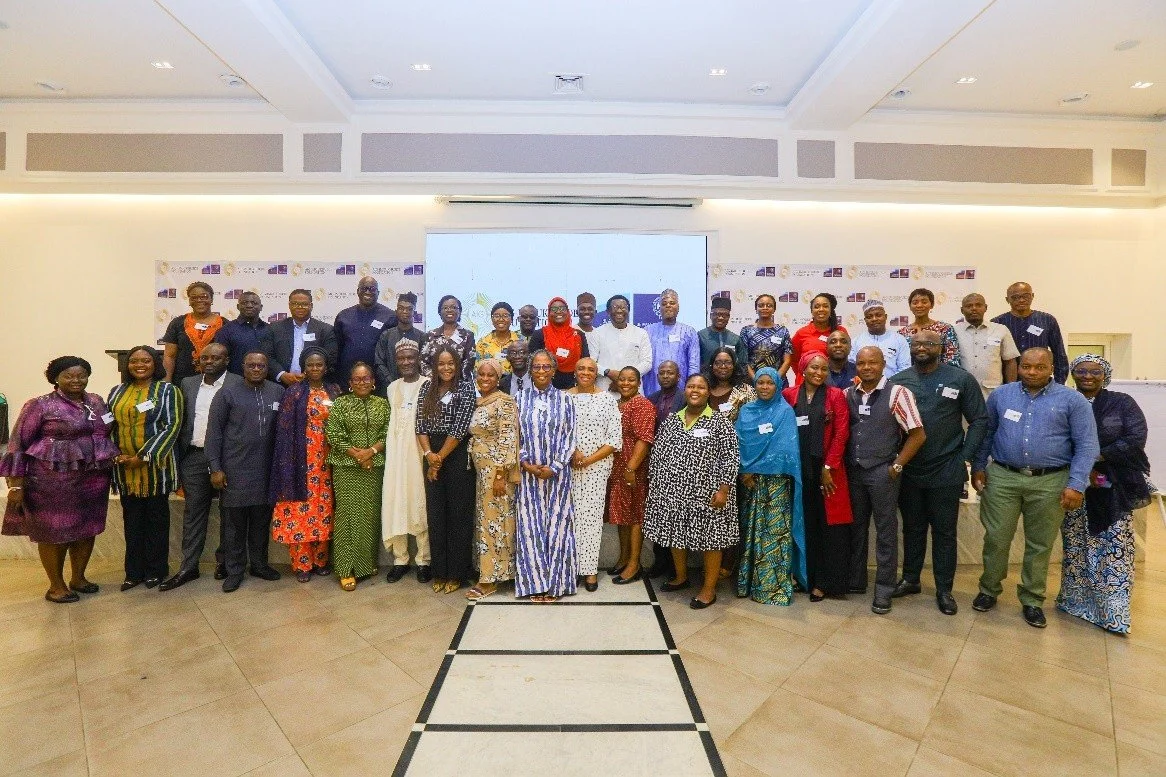
At the dusty reception desk of a busy primary healthcare centre in Lagos, a patient whom we will call Mrs Amina once waited for 82 minutes to see a clinician. Her fatigue was obvious, and her hope for help dimmed by the minute. A year later, her wait time had dropped to 31 minutes. This critical reduction was not achieved by building a new facility or hiring dozens of new doctors, but because one determined reformer stepped in, challenged the broken process, and fixed the system.
That reformer, Dr Ibiwunmi Oluokun, was a participant in the AIG Public Leaders Programme (AIG PLP), an executive training for public-sector leaders funded by the Aig-Imoukhuede Foundation and delivered by the world-renowned Blavatnik School of Government at the University of Oxford.
The AIG PLP, a world-class executive education is designed to equip Africa’s public sector leaders with the knowledge, skills, and mindset to drive lasting reform. The programme strategically blends global insights with local realities, covering core modules such as Public Policy Analysis, Adaptive Leadership, Ethics and Integrity, and Strategic Communication. Participants engage in intense peer learning and practical workshops that challenge them to rethink how governance works and how it can better serve citizens.
The highlight of this entire experience is the Capstone Project. It is where abstract ideas transform into actionable solutions that deliver measurable public impact. It is the moment when leadership meets reality.
The Capstone Mandate
When the Aig-Imoukhuede Foundation launched the AIG PLP in 2021, the goal was simple yet profound: to equip senior public servants with the tools to lead meaningful, measurable reform. Participants come from government institutions across Africa, already doing good work, but seeking the framework to escalate their impact.
The programme blends online learning, peer coaching, and a residential week of intensive, practical workshops. However, theory alone isn’t enough. The tangible impact lies in the execution phase. That is where the Capstone Project comes in. It is a mandatory process to rigorously diagnose a problem, design a data-driven solution, and implement it.
The Proof of Concept: Institutional Shifts, Human Gains
The power of the Capstone is best illustrated by its results. These are not academic papers; they are systemic reforms that have significantly improved service delivery across key institutions:
From Waiting Room to Efficiency (Lagos Healthcare): Following the scenario of Mrs Amina, Dr Olokun’s Capstone project methodically mapped the patient journey, identified key process bottlenecks, and implemented triage and digital tracking. The result was a 62% reduction in patient wait time—a model of efficiency now being replicated across other primary healthcare centres.
Clearing the Regulatory Backlog (NAFDAC): Institutional delays can stifle innovation and endanger public health. Mr Akinyemi Abayomi, an alumnus from the National Agency for Food and Drug Administration and Control (NAFDAC) designed a digital dossier-review system which successfully cleared a staggering 15-year backlog of regulatory approvals. This pivotal project accelerated market entry for legitimate products, enhancing trade and economic efficiency.
Standardising Safety in African Airways (NAMA): At the Nigerian Airspace Management Agency (NAMA), Engr. Uchechi Edosomwan’s capstone led to the creation of the first standardised on-the-job training manual for Air Traffic Safety Electronics Personnel in the Murtala Mohammed Airport. This foundational document elevates safety standards, mitigates operational risk, and ensures a consistent pipeline of highly competent technical staff.
These are only a few of the 237 capstone stories that illustrate what the capstone is truly about: shifting from "we learned this in class," to "we applied this to our system, changed how it works, and enhanced people’s lives." For participants, this is the moment they transition from "I will try" to "I will deliver."
The future of effective governance in Africa depends on translating policy into palpable progress. The capstone projects emerging from the AIG PLP are doing precisely that—turning individual initiative into institutional innovation. They are proving that when you equip a leader with the right tools and the mandate to act, they can indeed move from being administrators of the status quo to the architects of a more efficient, equitable, and prosperous future.
As one graduate succinctly concluded, "While the modules gave me the language of reform. The Capstone gave me the authority to enact it." In that transition lies the promise of a transformed public service.
Why the Capstone is the Critical Success Factor
The capstone project is indispensable to the PLP curriculum for three profound reasons:
It Bridges the Gap between Learning and Doing: While many leadership programmes stop at concepts, the PLP forces the decisive move to execution, which is where impact lives. Participants don’t just discuss leadership—they lead and implement.
It Makes Reform Personal and Local: Participants work inside their own MDAs, tackling problems they deeply understand. They own the problem, and they own the solution. This sense of ownership is the critical factor that drives follow-through and prevents reform initiatives from stalling.
It Builds a Pipeline of Sustainable Change: As referenced in previous foundation publications, the PLP is designed to build transformative cultures of "excellence, effectiveness, and integrity" across institutions. The Capstone is the essential vehicle for institutionalising that culture change.
The African Business piece succinctly captured this vision, noting that the AIG PLP “is not just about training—it’s about rewiring systems and equipping leaders with frameworks … to tackle Africa’s most complex challenges.”
Why You Should Care: The Ripple Effect
Why should the average citizen or the private sector care about this leadership programme? Because when government works better, we all benefit. Faster health care means reduced suffering and fewer sick days. Clearer permits and regulations mean more business growth and easier investment. Digital services mean less time lost in queues and reduced opportunities for corruption. These are tangible, measurable gains.
For the public servants participating, the Capstone is a moment of profound professional transformation. The class modules give them the conceptual tools; the Capstone gives them the courage to act. By acting, they fundamentally change how their organisation operates—and how citizens experience it.
What Lies Ahead: A Call to Action
As the AIG PLP Celebrated its fifth cohort, the body of evidence is undeniable. The capstone project is not an after-class activity; it is the programme's core mechanism for delivering a return on investment to the public. The expectation is no longer just to understand reform, but to deliver it.
In the months ahead, keep your eyes on the new capstone stories. They will reveal the hidden workings of government: the minute process improvements, the strategic digital pivots, and the people empowered to do their jobs better. These are not lofty promises; they are measured outcomes of intentional leadership.
As one participant put it during a recent alumni forum: “This is our chance to be reformers of systems—not just administrators of them.” The Capstone is where that mandate is fulfilled.