
Before We Build, We Must Fix What is Broken: A Reflection on Africa's Digital Public Infrastructure
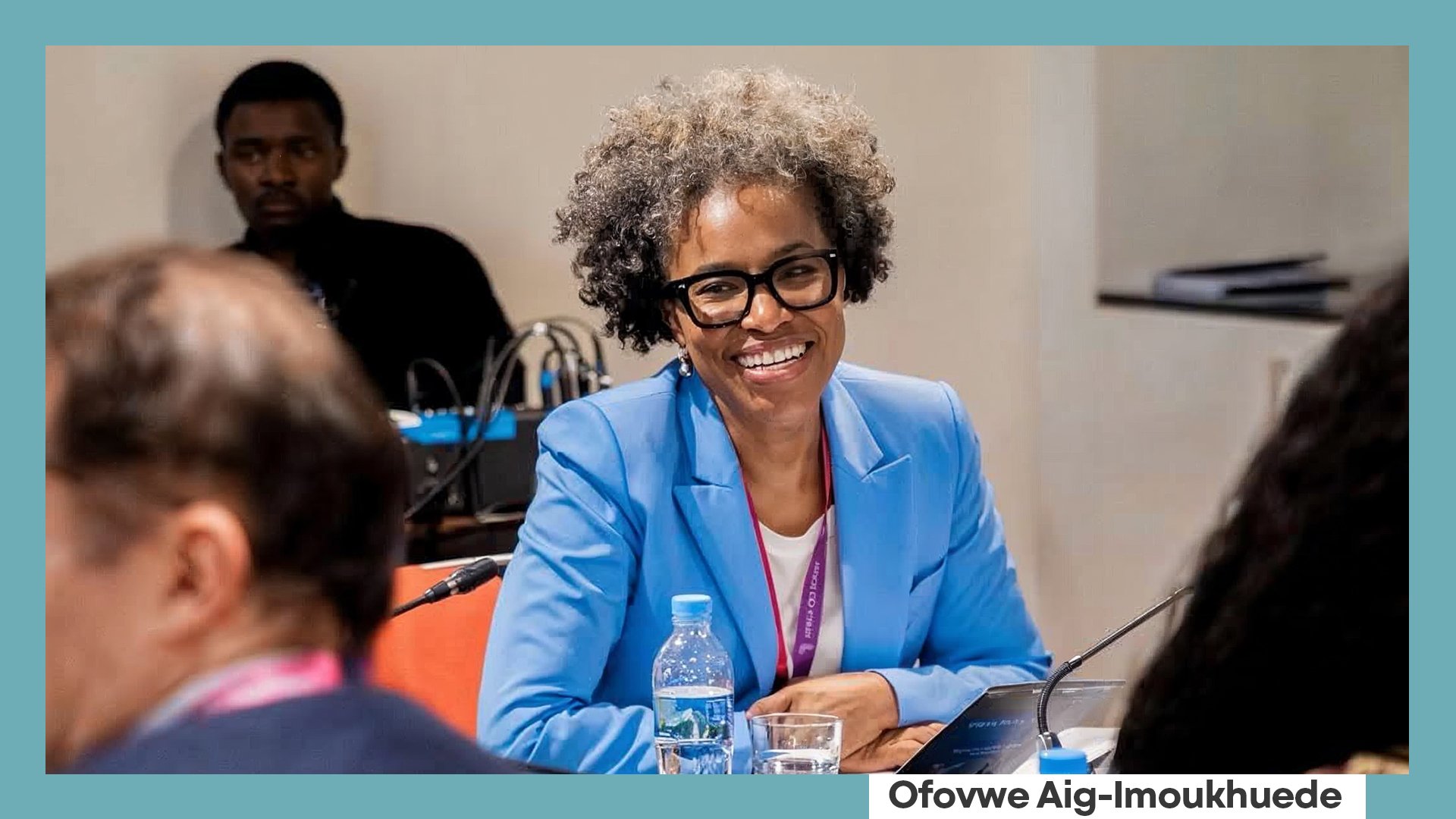
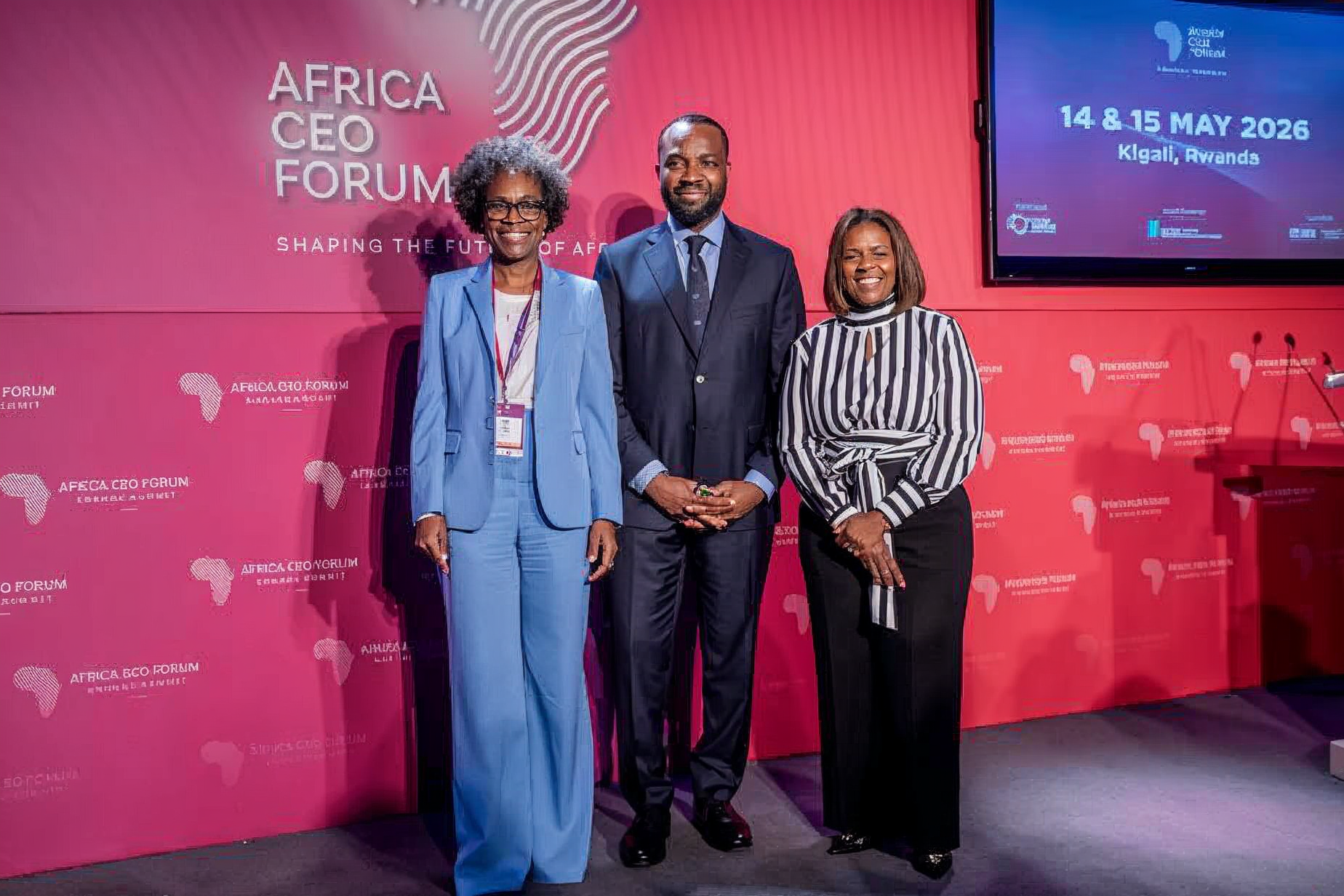
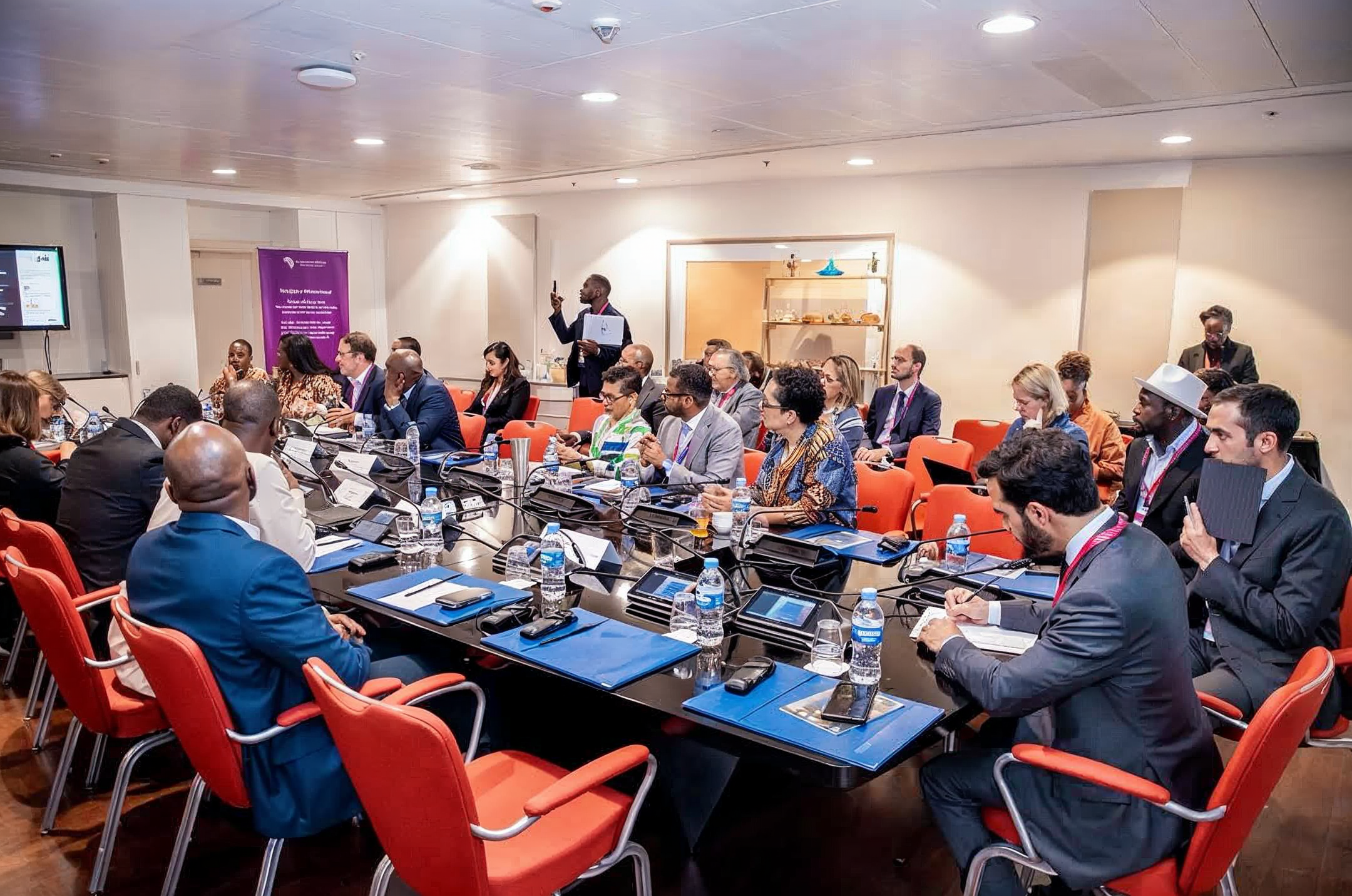
At the Africa CEO Forum's LEAD roundtable on Digital Public Infrastructure and AI, I sat in a room full of genuinely brilliant people: ministers, technologists, investors, development finance leaders, and builders, all united by the urgency of a shared question: how does Africa move from being a consumer of the digital economy to a producer within it? The conversation was rich and, in many moments, inspiring. But there was something I felt compelled to say, something that risks being drowned out by the excitement of the possible.
We need to go back to basics. Before we build the future, we need to reckon with what we have failed to fix.
The white paper framing the session was honest about the structural barriers holding Africa back: fragmentation across 55 countries limiting the critical mass needed for investment; a talent pool that is growing but still insufficient and haemorrhaging through brain drain; and a dangerous tendency to rely on imported solutions that lock value outside the continent. These are real; I do not dispute them. What I want to push on is the assumption, often implicit in rooms like this one, that if we assemble the right technology stack and unlock the right financing, transformation will follow.
It will not. Not automatically and not without doing the harder, less glamorous work first.
My contribution to the roundtable was a simple one: state capability and state readiness must come before everything else. The India reference came up multiple times in the room, as it always does, and rightly so; the Aadhaar system is a remarkable achievement. But what made it work was not the elegance of the architecture. It was governance, leadership, the patient adaptation of incentive structures, and institutional resilience that allowed it to survive multiple political transitions. The technology was almost the easy part. The human system around it was the hard part, and India got that hard part largely right.
Now consider Nigeria as an example. We have multiple identity frameworks and payment systems, each of them brilliant in isolation, each built by capable people with real intention. And yet the system as a whole is deeply fragmented, because fragmentation is not a technology problem, it is a governance problem, a coordination problem, a political economy problem. Layering more technology on top of a fragmented foundation does not produce coherence. It produces more sophisticated fragmentation.
This is the uncomfortable truth I wanted to put on the table: if we do not address the broken systems that sit underneath our digital ambitions, we will simply automate the dysfunction.
The Minister of Digital Transition from Côte d'Ivoire, who had been in his role for only a few months at the time of the roundtable, said something that crystallised this for me. His first act was not to procure a system. It was to design a proper governance framework to answer the question of who arbitrates when there are conflicts over resource allocation, technical standards, or prioritisation. He arrived at his portfolio and immediately understood that the prerequisite for transformation was not a technology decision; it was a decision about who is in charge of what, and how accountability flows. That instinct is exactly right.


I want to go one layer deeper, though, because governance frameworks alone are insufficient if the people meant to operate within them are not properly incentivised to do so.
At the heart of every digital public infrastructure project, every e-government platform, every national ID system, every interoperable payment rail are public servants. Not ministers. Not chief digital officers. Public servants at the working level, the people who approve and reject transactions, process applications, and sit at the interface between the state and the citizen every single day. Irembo, the platform that has transformed service delivery in Rwanda, made this point compellingly: they have more than seven thousand government officers logging into their platform daily. If those officers do not feel that the platform makes them better at their jobs, they will not just fail to champion it, they will quietly sabotage it, and no amount of technical excellence will save you. Irembo built an academy specifically to address this, not because it was nice to have, but because it was the condition under which everything else could work.
This is the unsexy part. People kept using that word in the room, unsexy, usually to describe Digital Public Infrastructure relative to the glamour of AI applications. I would argue the truly unsexy work is not even the DPI. It is the public service reform that makes DPI possible. It is salary structures and promotion criteria and performance management systems that create alignment between what the state says it wants and what individual public servants are actually rewarded for doing. Until that alignment exists, strategy documents and white papers and even well-designed platforms will collide with the quiet inertia of a system that has no structural reason to change.
None of this is to say that the technology doesn't matter. It matters enormously. The colleagues in that room who are building digital identity systems, instant payment infrastructure, and open source platforms that governments can own and evolve are doing critical work.
But I want us to resist the temptation to solve governance problems with technology products. I want us to be honest that the hardest barriers are not bandwidth or cloud infrastructure or even financing, they are political economy and institutional culture and incentive misalignment. These are problems that leaders have to choose to solve, and that choice is not made in procurement offices or server rooms. It is made in cabinet meetings and parliamentary committees, and the quieter conversations between heads of state and the ministers they trust.
So my ask of my colleagues in the development space, our private sector champions, and of myself is this: before we celebrate the architecture, let us interrogate the soil it is planted in. Before we scale, let us ask whether the incentives and accountability structures we are building on are honest. Before we talk about Rwanda's achievements as a model, let us understand not just what Rwanda built, but what Rwanda fixed first, and ask ourselves, with real candour, whether we have done the same.
The digital future of Africa is not inevitable. It has to be earned, one unglamorous institutional reform at a time.
Authors: Ofovwe Aig-Imoukhuede
