
What Survivors Lose While They Wait
A new self-reporting tool in Lagos is helping survivors of domestic and sexual violence preserve evidence before it disappears, and before they're ready to be seen.
In the hours after an act of domestic or sexual violence, evidence doesn't wait for survivors to be ready. A photograph gets deleted in a moment of panic. A voice note is erased after a threat. A phone is taken, broken, or thrown across a room by the person who caused the harm in the first place. By the time a survivor decides, if they ever decide, to report what happened, the proof of it may no longer exist.
This is one of the least-discussed dimensions of gender-based violence in Nigeria. Much of the public conversation focuses, rightly, on whether survivors feel safe enough to come forward. But safety is only half the problem.
In the two years before the self-reporting tool, the Lagos State Domestic and Sexual Violence Agency had supported more than 12,000 survivors, roughly 75 per cent of them affected by domestic or intimate partner violence. Even among those who were ready to speak, many had nothing left to show. And without evidence, the path to justice becomes significantly harder to walk.

Closing the gap between harm and reporting
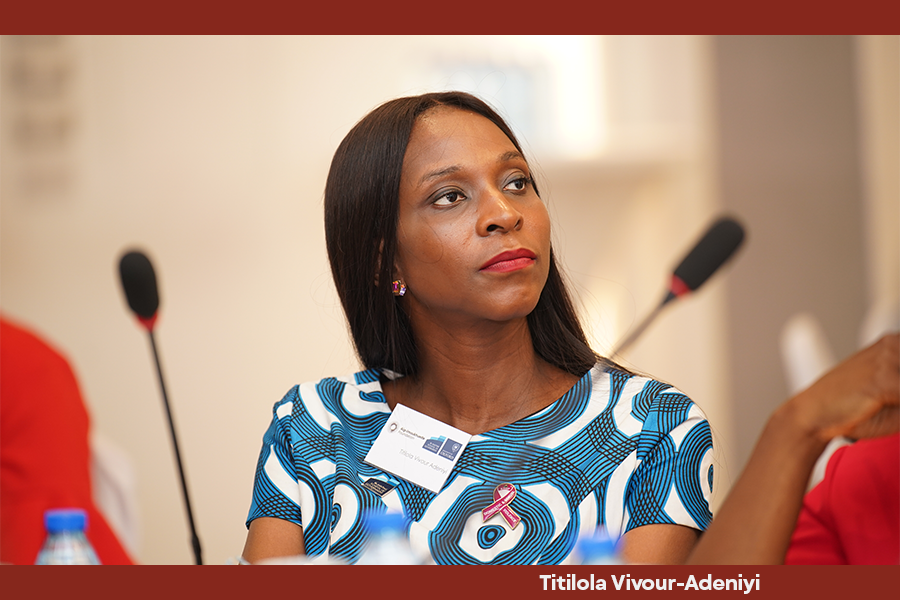
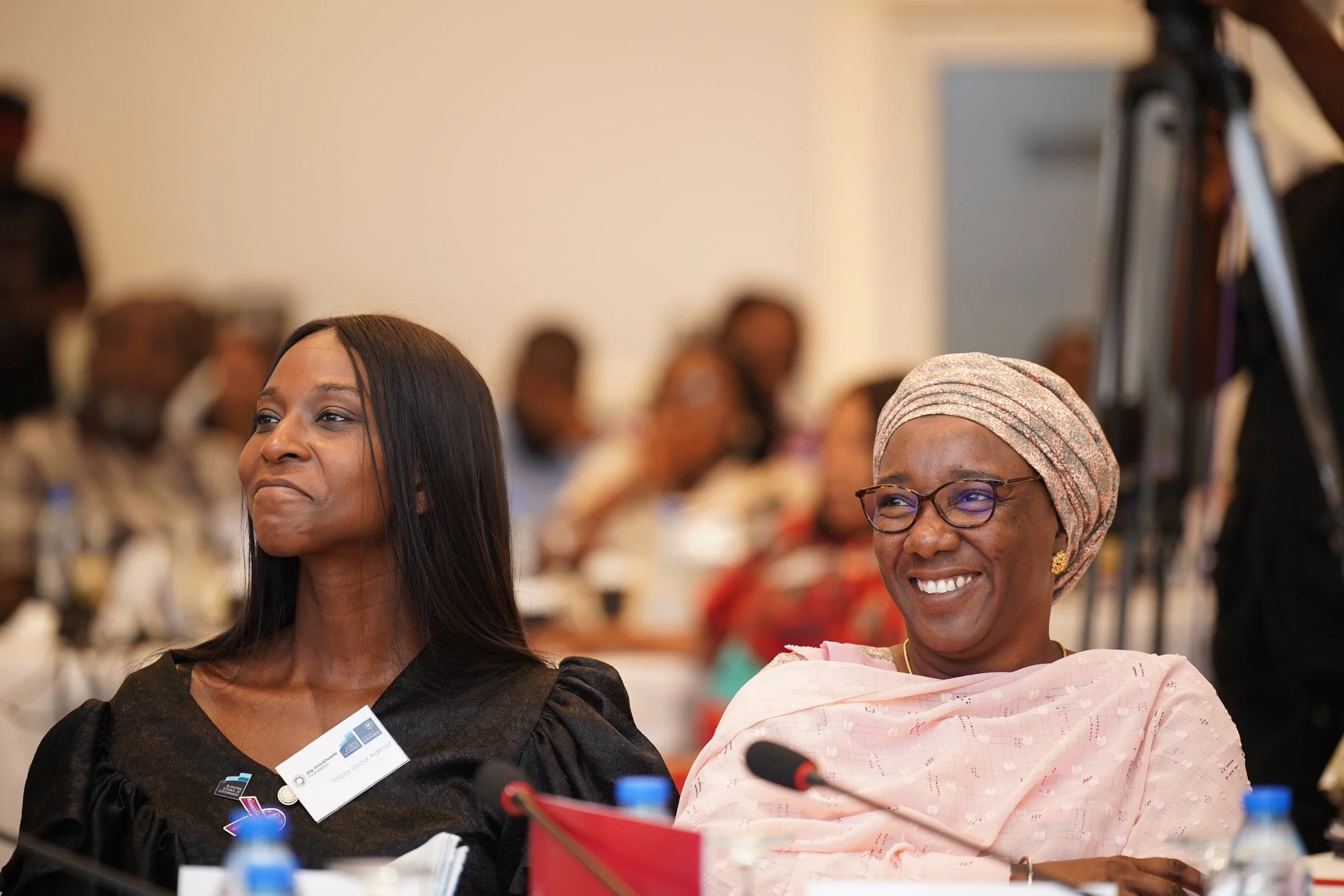
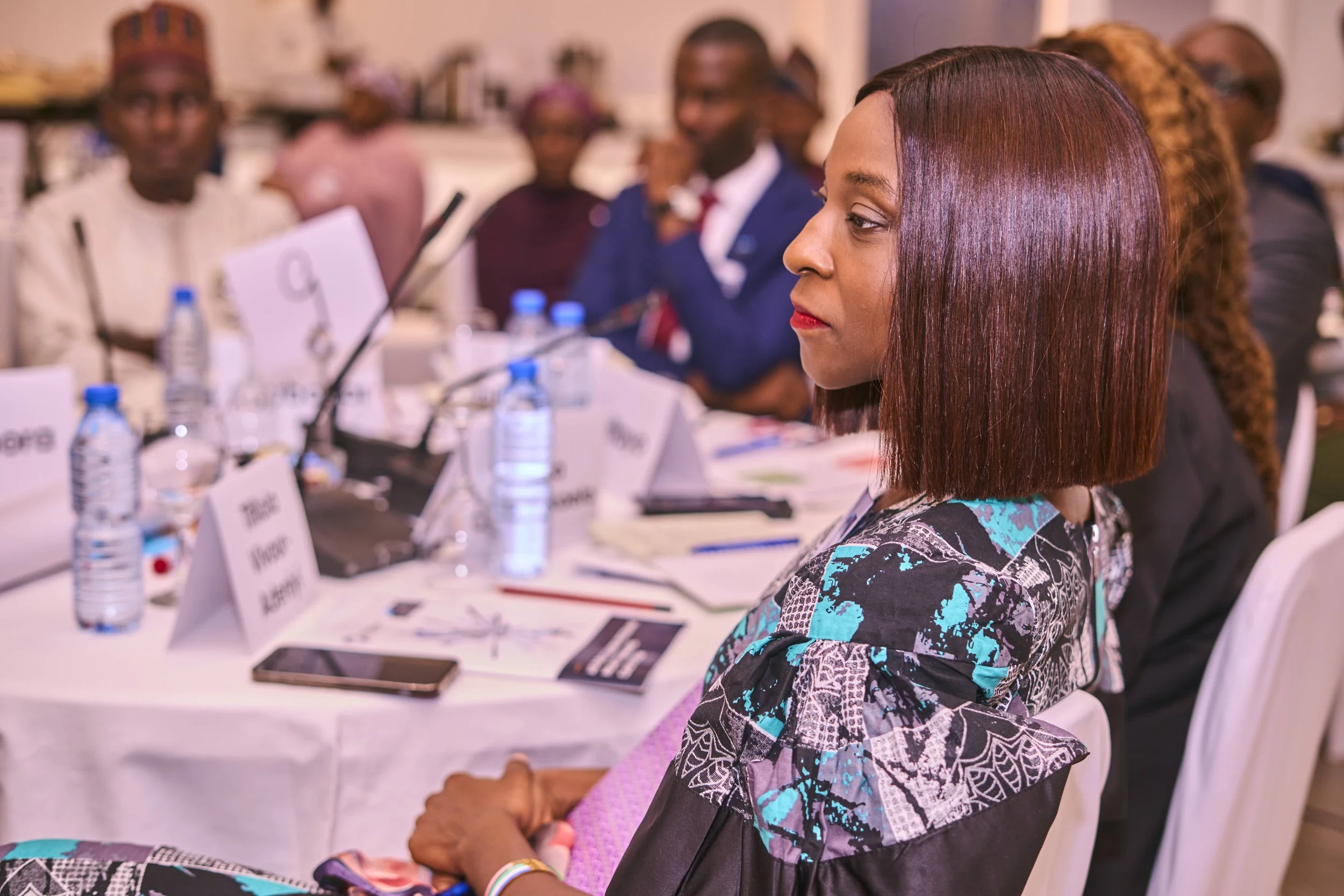
Titilola Vivour-Adeniyi, Executive Secretary of the Lagos State Domestic and Sexual Violence Agency and a Cohort 4 alumna of the AIG Public Leaders Programme, had watched this pattern repeat itself across thousands of cases. Survivors weren't losing evidence because they were careless. They were losing it because the window between the incident and the decision to report was long, uncertain, and frightening, and almost nothing in the system was built to survive that wait.
The answer began to take shape during the concept development stage of her reform project, a core requirement for completing the Aig-Imoukhuede Public Leaders Programme. In working through this process, she began to see the problem differently, not just as a gap in reporting, but as a systems design failure. That shift in thinking ultimately became the foundation of her reform project, which later evolved into a more responsive, survivor-centred solution that could work within the realities of reporting and evidence collection.
A portal built for the in-between
The answer was a self-reporting feature added to the Agency's existing platform, lagosdsvcms.org. Survivors can now document an incident themselves, uploading photographs, medical reports, and other evidence at whatever point they feel ready, without first having to face anyone in person, securely, confidentially, on their own terms, in their own time.
Building it meant collaborating with the Agency's original application developer to modify a system that hadn't been designed with this function in mind. It meant thinking carefully about what real security and confidentiality require for someone still in danger. And it meant running a public awareness campaign, because a tool that survivors don't know exists can't help them.
Removing the burden of the in-person account
For many survivors, the barrier to coming forward isn't only the fear of not being believed or fear of what happens after they report. It's the vulnerability of the moment itself, walking into an office, sitting across from a stranger, saying out loud what happened. The portal doesn't make that decision easier, but it means the decision no longer has to be made all at once, in person, with nothing in hand.
Preserving the record before it disappears
Survivors can now begin before they are ready to be seen, preserving the record while they gather the courage to decide what to do with it. In a context designed, in so many ways, to make victims doubt themselves and discard their own evidence, a secure record becomes its own form of witness.
Building capacity for what comes after
A document uploaded today is only useful if it can eventually support a case. Alongside the reporting feature, the work has strengthened the Agency's capacity for case-building and prosecution, and grown public awareness of both the tool and the rights it exists to protect.

What's working, and what's next
The results so far: a secure, functioning platform; stronger capacity for case-building and prosecution; and rising public awareness of the tool and the rights behind it.
The next step is integration with law enforcement and justice systems, so that cases documented through the portal can move more seamlessly toward prosecution, and that integration will matter enormously. A portal that captures evidence is only as useful as the system that receives it. What Vivour-Adeniyi has built is the first link in that chain: the moment of documentation everything else depends on. Making the rest of the chain work is the task ahead.
What exists now did not exist before. For a survivor in Lagos who has something to show and doesn't yet know what to do with it, there is a place to put it, one that will keep it safe until they are ready.